 Sunil Rao
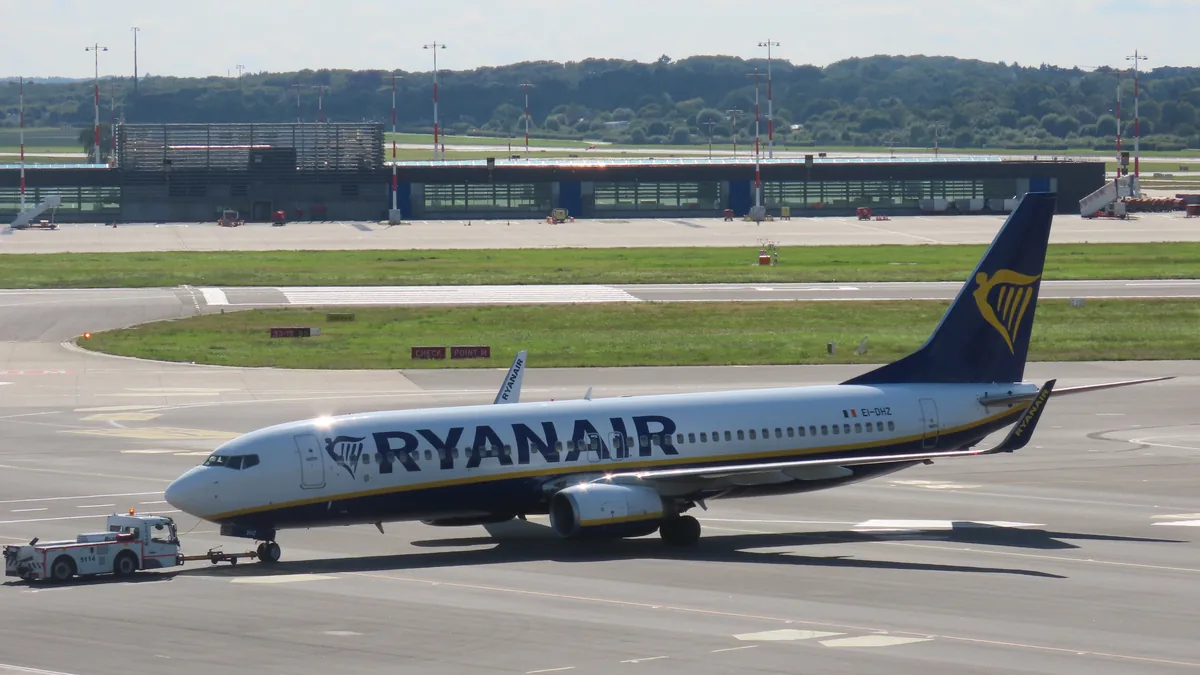
Europe's largest low-cost carrier, Ryanair, has officially unveiled its largest-ever Winter schedule for Sweden, expanding its footprint across the Nordic country to 43 routes, eight based aircraft, and 4.6 million annual passengers. The ambitious program includes five brand-new international routes linking Stockholm Arlanda, Gothenburg Landvetter, and Malmö Airport to key European and North African destinations. However, the airline paired its growth announcement with an aggressive ultimatum directed at the Swedish government and state-owned airport operator Swedavia: roll back recent airport tariff hikes and eliminate airport security charges, or watch future airline expansion migrate to rival European markets.
The Winter 2026 schedule marks a 16% year-on-year increase in passenger traffic for Ryanair in Sweden, solidifying an aviation rebound that gathered momentum following the Swedish government's landmark decision to scrap the national passenger aviation tax (flygskatt) in July 2025. For expats, foreign professionals, and cross-border commuters living in Sweden, the expansion promises more affordable holiday travel, better direct access to regional hubs in Central and Eastern Europe, and competitive pressure on legacy carriers such as SAS.
| Metric | Winter 2025 Baseline | Winter 2026 Expansion | Change |
|---|---|---|---|
| Based Aircraft in Sweden | 7 Aircraft | 8 Aircraft (Stockholm Arlanda) | +1 Boeing 737 (+US$100m) |
| Total Capital Investment | US$700 million | US$800 million | +US$100 million |
| Total Routes in Sweden | 38 Routes | 43 Routes | +5 New Direct Routes |
| Annual Swedish Passenger Volume | 3.9 million | 4.6 million | +16% (+700k passengers) |
| Supported Swedish Jobs | 3,100 jobs | 3,600+ jobs | +500 local & aviation jobs |
| Lead Promotional Seat Fare | SEK 379 | SEK 329 | Promotional flash sale |
1. Inside the 5 New Routes: Stockholm, Gothenburg, and Malmö
The centerpiece of Ryanair's Winter 2026 network expansion is the introduction of five high-frequency direct routes designed to capture both business travel and seasonal leisure traffic. The new links expand direct connectivity to Central Europe, North Africa, and the United Kingdom:
- Stockholm Arlanda (ARN) to Rabat (RBA), Morocco: A notable addition opening direct low-cost connectivity between Sweden and Morocco's administrative capital, offering winter sun seekers and diaspora travelers an alternative to long layovers in southern European hubs.
- Stockholm Arlanda (ARN) to Warsaw (WAW), Poland: Enhances high-demand commercial and family connectivity between Sweden and Poland's financial center, competing directly with LOT Polish Airlines and Wizz Air.
- Stockholm Arlanda (ARN) to Wroclaw (WRO), Poland: Restores direct non-stop access to one of Poland's premier technology and software development clusters, heavily utilized by Swedish tech firms employing engineering teams in Lower Silesia.
- Gothenburg Landvetter (GOT) to Budapest (BUD), Hungary: Connects west Sweden's industrial engine to Central Europe, opening direct holiday and city-break travel without requiring a transfer through Copenhagen or Frankfurt.
- Malmö Airport (MMX) to London (STN), United Kingdom: Reintroduces direct budget access from southern Sweden to the Greater London area, giving residents across Skåne a regional departure alternative to crossing the Öresund Bridge to Copenhagen Airport (CPH).
To celebrate the launch of the Winter 2026 network, Ryanair introduced a limited-time promotional fare sale with one-way tickets starting at SEK 329 for travel booked directly through its mobile application and online portal.
2. The Aviation Tax Dividend: What Happened After Flygskatt Was Abolished?
The roots of Ryanair's Swedish expansion lie in Sweden's dramatic fiscal shift in aviation policy. In late 2024, the governing center-right coalition supported by the Sweden Democrats announced the complete abolition of the passenger aviation tax (flygskatt), which officially ceased on July 1, 2025.
Originally introduced in 2018, the aviation tax levied between SEK 76 and SEK 504 per passenger depending on flight distance. Swedish business leaders, logistics associations, and international airlines had long argued that the tax penalized Sweden's export-reliant economy, diminished Stockholm Arlanda's standing against Copenhagen and Helsinki, and discouraged carriers from stationing aircraft on Swedish soil.
Following the repeal, Ryanair responded rapidly. Since July 2025, the airline has positioned three incremental aircraft in Sweden, injected US$300 million in localized capital expenditure, added 760,000 passengers across six Swedish airports, and expanded its roster of based cockpit and cabin crew. The record Winter 2026 schedule represents the tangible fruit of that policy shift.
3. The Swedavia Clash: 22% Charge Hikes and the +67% Security Fee Shock
Despite celebrating its record schedule, Ryanair used the press conference to fire a fierce warning at Swedish authorities. According to Ryanair CEO Eddie Wilson, Sweden risks squandering its competitive advantage due to rapid increases in airport operational fees managed by Swedavia, the state-owned enterprise that operates ten major airports including Arlanda, Landvetter, and Malmö.
Ryanair contends that Swedavia has steadily raised airport handling, landing, and passenger facility charges by an aggregate of 22% since the aviation tax was abolished, effectively clawing back the tax savings that were meant to lower ticket prices for travelers. Furthermore, Wilson targeted a looming regulatory change in the national airport security screening charge (flygplatskontrollavgift).
| Aviation Fee Component | Recent Swedish Policy Action | Current Status (2026) | Ryanair Concern & Outlook |
|---|---|---|---|
| National Passenger Aviation Tax (Flygskatt) | Abolished July 1, 2025 | SEK 0 per passenger | Viewed as highly successful in restoring initial airline capacity. |
| Swedavia Airport Charges (Landing & Passenger) | Multiple tariff revisions 2025-2026 | +22% aggregate increase | Accused of pocketing government tax cuts into airport state coffers. |
| National Airport Security Fee (Flygplatskontrollavgift) | Suspended through December 2026 | Temporary reprieve | Set to escalate by +67% from March 2027 if government does not intervene. |
While the Swedish government suspended the security screening levy through December 2026 to cushion post-pandemic recovery, the fee is scheduled to return with a steep 67% increase beginning in March 2027. Ryanair argues that if Swedavia's airport charges and the restored security fee take full effect, the total cost of processing an airline seat in Sweden will eclipse pre-repeal levels, rendering Swedish airports significantly more expensive than regional competitors in Poland, the Baltic states, and Southern Europe.
4. Eddie Wilson's Ultimatum: 8 Million Passengers by 2030 or Fleet Reallocation?
The timing of Ryanair's warning is strategic. Commercial airlines plan and commit aircraft allocations 12 to 18 months in advance. As carriers finalize their network deployments for Summer 2027, every European airport is vying for available aircraft hulls, particularly fuel-efficient next-generation models like the Boeing 737 MAX.
Speaking in Stockholm, Ryanair Chief Executive Eddie Wilson outlined the airline's conditional roadmap for Sweden:
Ryanair 2030 Swedish Growth Target: The carrier is prepared to double its Swedish passenger volume from 4.6 million to 8.0 million travelers annually by 2030, base an additional five aircraft in Sweden, and generate up to 6,000 total aviation and support jobs. However, Wilson emphasized that this expansion will only materialize if the government acts immediately to: (1) instruct Swedavia to roll back airport charges to 2024 levels, and (2) permanently scrap the airport security screening fee before the March 2027 hike takes effect.
Wilson cautioned that Ryanair's incoming fleet of Boeing 737 MAX 10 aircraft has strict capital allocation benchmarks. If Sweden fails to provide long-term fee certainty, new aircraft deliveries will be assigned to low-cost airports in Italy, Spain, Ireland, or Eastern Europe, effectively capping Sweden's aviation growth at current levels.
5. What the Fare War and Route Expansion Mean for Expats in Sweden
For international residents living in Sweden, Ryanair's aggressive expansion and ongoing dispute with airport authorities have direct practical implications:
- Downward Pressure on Short-Haul European Fares: Increased competition on routes like Stockholm-Warsaw and Gothenburg-Budapest directly constrains legacy carrier pricing, ensuring budget-conscious expats have accessible travel options for visiting family during winter holidays.
- Direct Point-to-Point Alternatives: Rather than flying via Copenhagen, Frankfurt, or Amsterdam, travelers based in western and southern Sweden benefit from non-stop routes out of Landvetter and Malmö, saving both transit time and airport layover costs.
- Risk of Summer 2027 Route Trimming: If the Swedish Transport Agency (Transportstyrelsen) and Swedavia proceed with proposed fee revisions for 2027, price-sensitive carriers could trim marginal secondary routes out of Swedish regional airports, concentrating flights strictly on high-density corridors.
NordDaily Tips
Expat Travel Strategy: If you are planning European travel for the autumn midterm break (höstlov) or Christmas 2026, check newly added direct schedules early. Low-cost seat inventory on inaugural routes tends to be discounted heavily during initial launch weeks. Keep in mind that while Ryanair flies from Stockholm Arlanda's Terminal 4, baggage allowances and seat selection follow strict unbundled pricing, so factor ancillary charges into your total travel budget.
Sources
- Ryanair Corporate Newsroom - Ryanair Announces Record Winter '26 Schedule for Sweden
- Swedavia AB - Swedish Airport Tariffs and Operational Data
- Regeringskansliet - Abolition of the Swedish Aviation Passenger Tax (Flygskatt)
Related articles
Frequently asked questions
What are Ryanair's 5 new routes from Sweden for Winter 2026?
The five newly announced routes include three from Stockholm Arlanda (to Rabat in Morocco, Warsaw, and Wroclaw in Poland), one from Gothenburg Landvetter (to Budapest, Hungary), and one from Malmö Airport (to London).
How many aircraft does Ryanair now base in Sweden?
With the addition of one new Boeing 737 at Stockholm Arlanda, Ryanair now bases eight aircraft across Sweden, representing a total capital investment of US$800 million.
Why did Sweden abolish its aviation tax (flygskatt)?
The Swedish government abolished the national passenger aviation tax effective July 2025 to stimulate regional connectivity, reduce ticket prices, and restore international competitiveness following pandemic-era air traffic declines.
What fee increases is Ryanair warning about in Sweden?
Ryanair warns that state-owned airport operator Swedavia has increased airport charges by 22% since the aviation tax repeal, with further hikes planned. In addition, the national airport security fee (flygplatskontrollavgift) is slated to increase by 67% starting in March 2027, which the airline argues will wipe out tax relief benefits.
What is Ryanair's long-term passenger target for Sweden?
Ryanair aims to grow from 4.6 million passengers in 2026 to 8.0 million passengers annually by 2030, adding five additional based aircraft and supporting up to 6,000 aviation and tourism jobs, conditional on Swedish access costs remaining competitive.
Estimate only. Talk to a qualified adviser before acting on anything here.
Photo: Wikimedia Commons / Martin Timo (CC BY-SA 4.0)